
Heat pumps KAISAI
We have heat pumps at great prices. ✔️ we will advise you on the choice, ✔️ we are a proven e-shop.
Heat pumps are a modern and environmentally friendly solution for heating and hot water preparation. They use renewable energy from the surroundings (air, ground or water) which they convert into heat for your home or business. The benefit is not only energy cost savings, but also a reduction in your carbon footprint.
Choosing Heat pumps by brand

Product sorting
List of products
Listing controls
Heat pumps: how they work, selection tips, and key specifications
Heat pumps are one of the most efficient ways to heat your home and prepare domestic hot water (DHW). They extract renewable energy from the surrounding air and convert it into usable heat, achieving a coefficient of performance (COP) that can exceed 4 - meaning for every 1 kW of electricity consumed, you get over 4 kW of heat output.
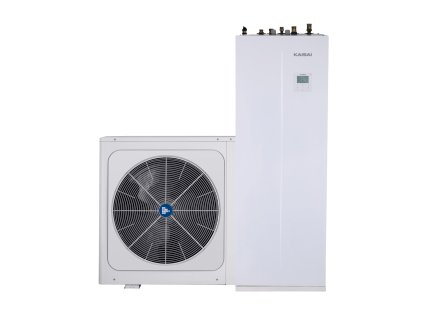
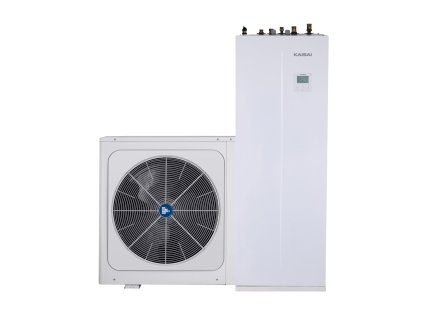
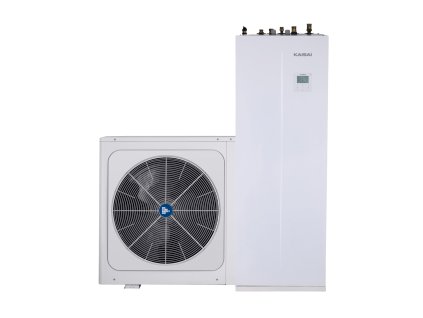
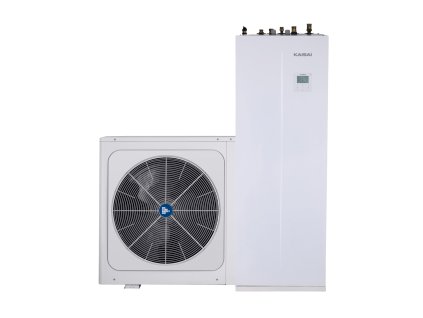
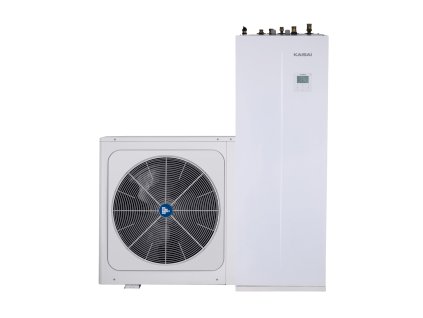
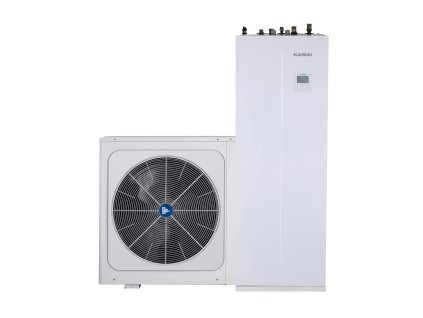
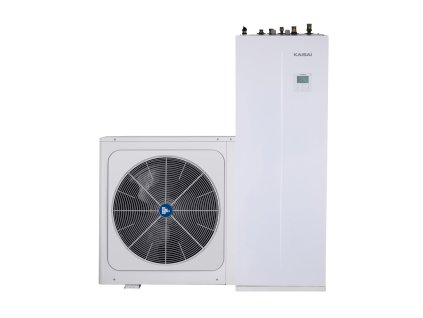
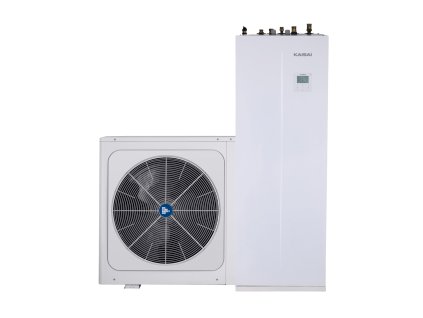
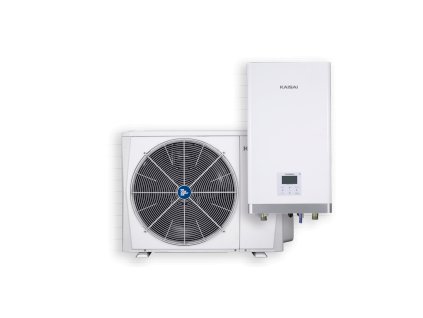
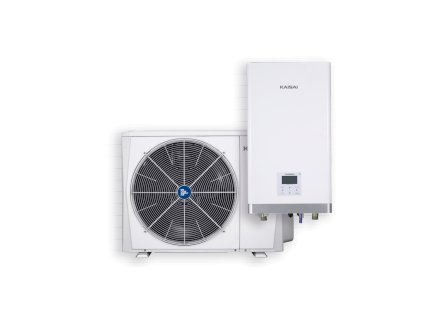
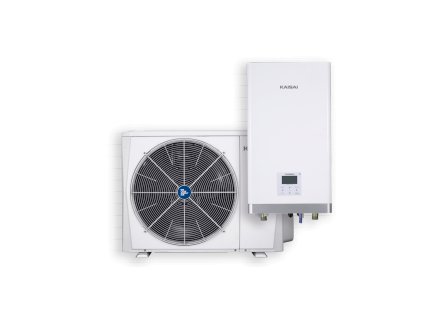
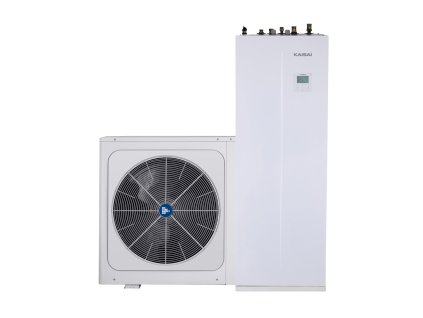
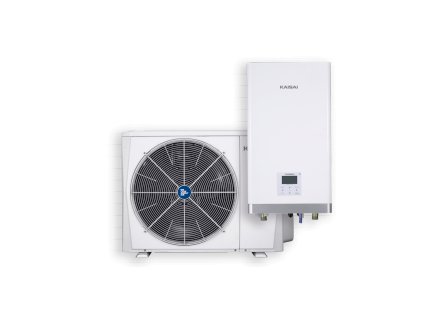
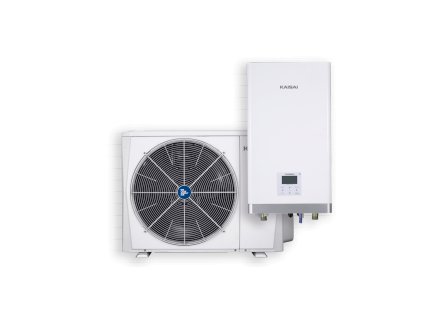
Our assortment includes 14 items from Kaisai, featuring the Arctic series designed for reliable performance even in cold climates. Choose between the Split Arctic (with a separate buffer tank) and the Split Arctic with integrated DHW tank (all-in-one solution).
"When sizing a heat pump, start with the heating demand of your building (in kW). Then decide whether you need an integrated DHW tank or a separate solution. The Kaisai Arctic series covers heating capacities from 6 to 16 kW, which suits most residential projects."
— Heating Specialist Ladislav, ONSA Plus
How does an air-source heat pump work?
An air-source heat pump absorbs heat from the outdoor air using a refrigerant cycle. The outdoor unit contains a fan and evaporator that capture ambient heat, while the indoor unit (with compressor and condenser) transfers that heat to your heating system. Modern inverter-driven heat pumps adjust their output to match the actual demand, which improves efficiency and comfort compared to fixed-speed units.
Split Arctic vs Split Arctic with integrated DHW tank
The key difference is how domestic hot water is handled:
- Split Arctic - outdoor unit paired with an indoor buffer tank (60 L, 100 L, or 160 L). Hot water is prepared via a separate DHW solution. Best when you already have a DHW tank or prefer a dedicated water heater.
- Split Arctic with integrated DHW tank - outdoor unit paired with an indoor unit that includes a built-in DHW tank (190 L or 240 L). A convenient all-in-one solution that saves space and simplifies installation.
How to choose the right heating capacity (kW)
The required heating capacity depends on your building's heat loss, which is influenced by insulation level, climate zone, and heated floor area. As a guideline:
- 6 - 8 kW - well-insulated homes up to approximately 120 m², or smaller buildings with moderate insulation.
- 10 - 12 kW - medium-sized homes (120 - 200 m²) with standard insulation.
- 14 - 16 kW - larger homes or buildings with higher heat demand.
A professional heat loss calculation is always recommended before final sizing.
Key specifications to compare
| Specification | What it means | Why it matters |
|---|---|---|
| Heating capacity (kW) | Maximum heat output the unit can deliver | Must match or exceed the building's heat loss |
| COP | Coefficient of performance (heat output / electricity input) | Higher COP means lower running costs |
| SCOP | Seasonal COP averaged over a heating season | More realistic efficiency indicator than peak COP |
| Operating range | Minimum outdoor temperature at which the heat pump operates | Arctic series is designed for low temperatures |
| DHW tank capacity (L) | Volume of the integrated or separate hot water tank | Determines how much hot water is available at once |
| Number of phases | Single-phase (1x230V) or three-phase (3x400V) | Must match your electrical connection |
FAQ: Heat pumps
Can a heat pump work in very cold weather?
Yes. The Kaisai Arctic series is specifically designed for operation in cold climates. Modern inverter-driven heat pumps maintain heating output even at outdoor temperatures well below 0 °C, though efficiency (COP) decreases as temperatures drop.
What is the difference between COP and SCOP?
COP measures efficiency at a single operating point (e.g., 7 °C outdoor, 35 °C water). SCOP (Seasonal COP) is an average over an entire heating season, accounting for varying temperatures. SCOP gives a more realistic picture of real-world energy costs.
Do I need a buffer tank with a heat pump?
A buffer tank helps smooth out temperature fluctuations and reduces compressor cycling, which extends the lifespan of the unit. The Split Arctic models include a buffer tank in the indoor unit. The size (60 L, 100 L, or 160 L) depends on the system design.
How much can I save on heating costs?
Compared to electric heating, a heat pump can reduce energy consumption by 60-75%. Compared to gas or oil, savings depend on local energy prices, but heat pumps generally offer the lowest running costs among modern heating systems. The exact savings depend on your building, climate, and energy tariff.
Can a heat pump also cool my home?
Some heat pump systems support passive or active cooling in summer. Check the specific model's capabilities and whether your heating distribution system (e.g., underfloor heating) is compatible with cooling mode.
What maintenance does a heat pump require?
Heat pumps require minimal maintenance. An annual check of the outdoor unit (clearing debris, checking the refrigerant circuit) and periodic inspection of the hydraulic system are recommended. No fuel storage or chimney cleaning is needed, unlike fossil-fuel heating systems.
Single-phase or three-phase: which do I need?
Smaller units (up to about 10 kW) are often available in single-phase (1x230V). Larger units typically require a three-phase (3x400V) electrical connection for balanced load distribution. Check your home's electrical panel to confirm what is available.
Note: Actual performance depends on building insulation, climate conditions, system design, and installation quality. Professional sizing is recommended.


